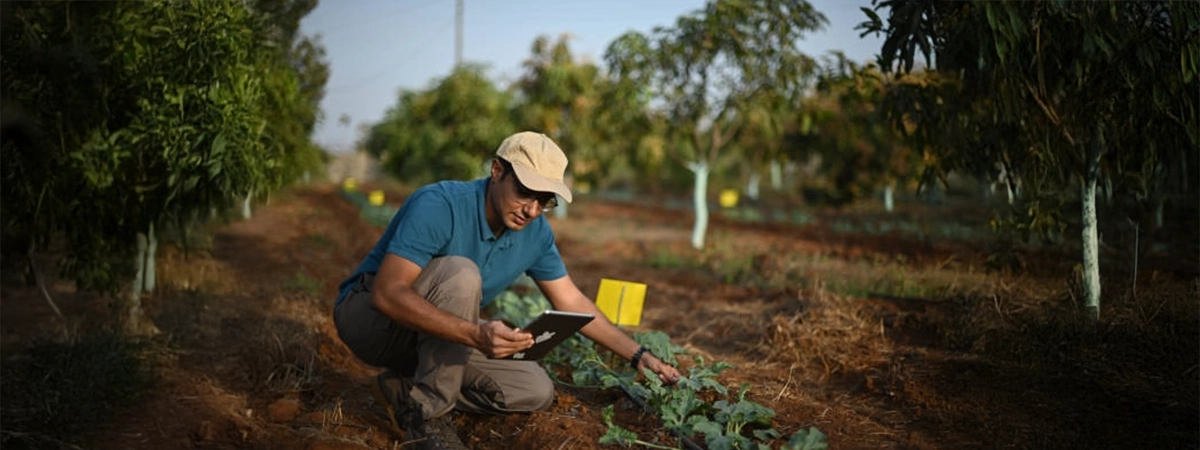
Driving Responsible and Sustainable Sugarcane Practices

CRSI is a collaborative multi-stakeholder initiative providing a neutral, solutions-focused platform to embed responsible business conduct and sustainability across India’s sugarcane value chain.

xyM+ Farmers Impacted
xy% Water Reduction
xy+ Active Programs

Enhancing Responsible and Sustainable Value Chains through a multi-stakeholder partnership in the Indian Sugarcane Sector

Supporting India’s sugarcane industry through action-oriented collaborative projects, shared learning, capacity building and responsible business practices.

Read Our Story

In an integrated global economy, the importance of building more sustainable value chains grounded in responsible business conduct cannot be overstated. Over the past decade, sustainability requirements have steadily increased in stringency, demanding greater accountability and transparency from companies about their environmental, social, and governance (ESG) performance. Today, companies are striving to demonstrate due diligence not only within their own operations but across their supply chains. As production, processing, packaging, and distribution increasingly span multiple geographies, sustainability has become a shared responsibility. Each stage of the value chain has both upstream and downstream impacts. To build and embed sustainability and resilience, all stakeholders in the sugar value chain must work together to turn responsible business conduct into a competitive advantage.

In India, the Securities and Exchange Board of India (SEBI) has introduced the Business Responsibility and Sustainability Report (BRSR) for listed companies. The BRSR, built on the National Guidelines for Responsible Business Conduct (NGRBC) introduced in 2019, provides a national framework for responsible business conduct. It encourages companies to go beyond compliance and contribute positively to people and the planet. Both frameworks emphasize human rights, labour standards, environmental stewardship, and community engagement. At the global level there are several countries which have regulations pertaining to responsible business conduct and sustainability requirements throughout supply chains. These regulations are reshaping expectations for industries that source globally.

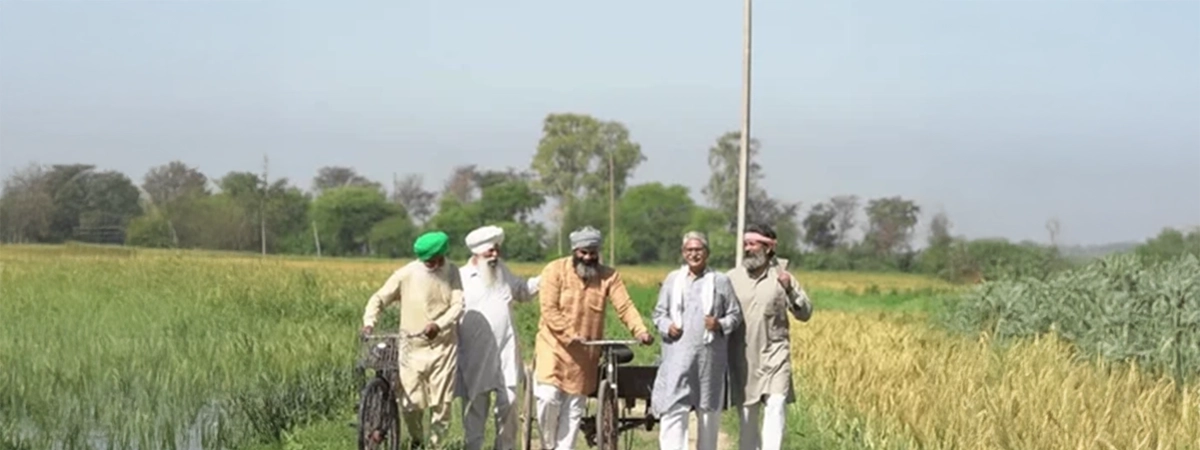
The sugarcane sector is one of India’s most important agro-based industries and plays a central role in the country’s rural economy. It supports more than 50 million farmers and over 500,000 mill workers. The sector also depends on a large number of agricultural workers who work in cultivation and harvesting, many of whom are migratory or employed in informal arrangements in sub-tier supply chains. These conditions are not unique to sugarcane. They reflect challenges seen across Indian agriculture, such as seasonal employment, limited social protection, and occupational risk. The sugar industry supports numerous ancillary livelihoods in transport, machinery servicing, and farm input supply chains. India is the world’s second-largest producer of sugar and the largest consumer, yet the industry faces ongoing challenges such as unstable prices, low recovery rates, and environmental pressures.

The evolving market and policy environment is encouraging mills to strengthen their focus on sustainability and labour practices. Many sugar mills now recognize that embedding more responsible business practices improves efficiency, strengthens supply chains, ensures a stable labour base, and enhances their reputation with local and global buyers.

The Coalition for Responsible Sugarcane India (CRSI) aims to support the sector in navigating this transition. CRSI provides a collaborative platform for mills, brands, civil society, and government partners to co-create solutions that align with both business goals and societal expectations. It helps the industry translate global and local frameworks into locally relevant action, enabling responsible and sustainable practices that contribute to both competitiveness and community well-being by addressing systemic risks and issues.

Vision & Mission

Our work is guided by a strong set of core values that inform everything we do.

Image
icon

Collaboration

We bring together diverse stakeholders to create solutions that work for everyone across the value chain.

Learn More
Image
icon

Sustainability

We promote practices that protect natural resources, reduce environmental impact, and ensure long-term viability.

Learn More
Image
icon

Innovation

We embrace new ideas, technologies, and approaches that can transform the sugarcane industry for the better.

Learn More

Transforming the Agricultural system

Lorem Ipsum is simply dummy text of the printing and typesetting industry. Lorem Ipsum has been the industry's standard dummy text ever since the 1500s, when an unknown printer took a galley of type and scrambled it to make a type specimen book.

Read Report

Our Solutions

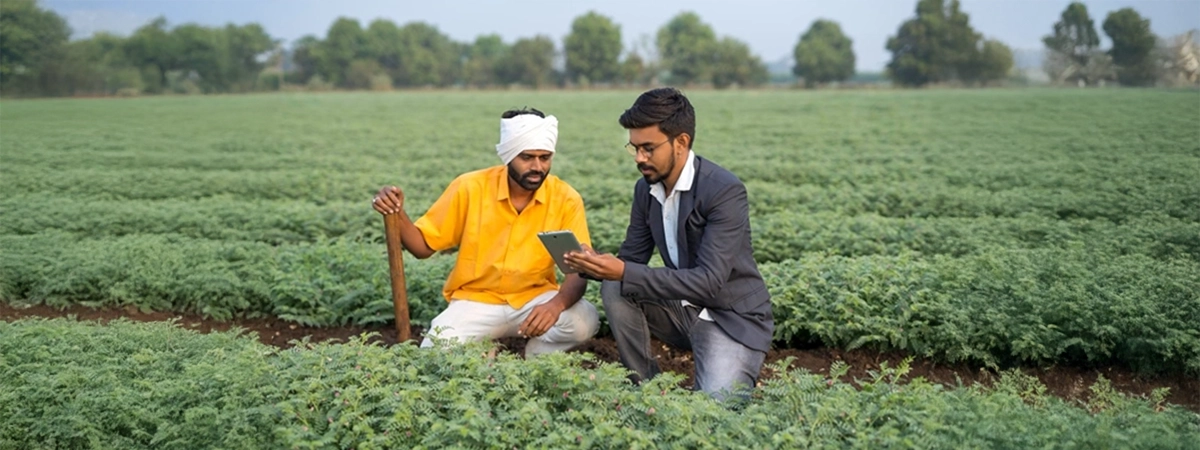
Access our collection of articles, reports, industry insights, and newsletters on sustainable sugarcane practices.

Article image

Applied Research

We conduct action-oriented, sector-specific research to:
– Understand root causes of systemic challenges
– Evaluate the effectiveness of interventions
– Identify emerging risks and opportunities
– Our research underpins evidence-based policy dialogue and programmatic decision-making.

Read More
Article image

Training & Capacity Building

CRSI delivers customised training modules on topics including:
– Human Rights Due Diligence
– Occupational Health & Safety
– Ethical Recruitment Practices
– Sustainable Agricultural Techniques
– Grievance Redressal Mechanisms Modules are available both in-person and via digital platforms, tailored to mills, farmers, and community groups.

Read More
Article image

Dialogue & Engagement Platforms

We host regular multistakeholder forums to:
– Facilitate peer learning and best-practice exchange
– Surface and address grievances collaboratively
– Co-create solutions to shared challenges
– These platforms promote transparency, trust, and collective accountability across the sugarcane supply chain.

Read More

Our Members

partner image
partner image
partner image
partner image
partner image
partner image
partner image
partner image
partner image